California Pool Fence Requirements: What San Diego Homeowners Must Know
If you own a pool in San Diego—or you’re planning to install one—understanding pool fence requirements in California isn’t optional. These laws are designed to prevent accidents, protect children, and ensure your property meets strict safety standards.
Failing to comply can result in fines, liability risks, and delays in permitting. The good news? With the right guidance, meeting California’s pool fencing regulations is straightforward. Here’s what San Diego homeowners need to know.
Why Pool Fence Laws Are Strict in California
California has some of the most comprehensive pool safety laws in the country, largely due to the state’s climate and year-round pool usage.
The goal is simple: reduce the risk of accidental drownings—especially among young children.
Under California law, residential pools must include approved safety barriers or systems that restrict unsupervised access. For most homeowners, that means installing a compliant pool fence.
The Core Pool Fence Requirements in California
To meet pool fence requirements in California, your barrier must follow specific guidelines established by state law and local building codes.
Minimum Fence Height
- The fence must be at least 60 inches (5 feet) tall
Clearance from Ground
- Maximum gap between the ground and the bottom of the fence:
- 2 inches for solid surfaces
- 4 inches for non-solid surfaces (like grass or gravel)
Spacing Between Vertical Bars
- Openings must be small enough to prevent a child from passing through:
- Typically less than 4 inches
Horizontal Member Restrictions
- If horizontal rails are present, they must be spaced in a way that prevents climbing
Gate Requirements
- Gates must:
- Be self-closing and self-latching
- Open away from the pool
- Have latches positioned at least 54 inches above ground
No Direct Access from the Home
- In many cases, additional safety measures are required if the home forms part of the barrier
These rules apply to most residential pools, spas, and hot tubs.
San Diego-Specific Considerations
While California sets statewide standards, local jurisdictions—including San Diego—may enforce additional requirements during the permitting process.
Homeowners should expect:
- Permit inspections before pool use approval
- Verification of fence placement and gate functionality
- Compliance with updated building codes
Working with a contractor familiar with pool fence San Diego regulations helps ensure your project passes inspection the first time.
Approved Pool Safety Features (Beyond Fencing)
California law allows for multiple safety layers—not just fencing. In fact, newer regulations often require two or more safety features.
These may include:
- Pool covers that meet ASTM safety standards
- Door alarms on any home access points to the pool
- Self-closing, self-latching doors
- Pool alarms that detect water disturbance
However, fencing remains the most reliable and widely used primary barrier.
Common Compliance Mistakes to Avoid
Even well-intentioned homeowners can run into compliance issues. Here are some of the most common mistakes:
Incorrect Fence Height
Installing a fence under 5 feet—even slightly—can result in a failed inspection.
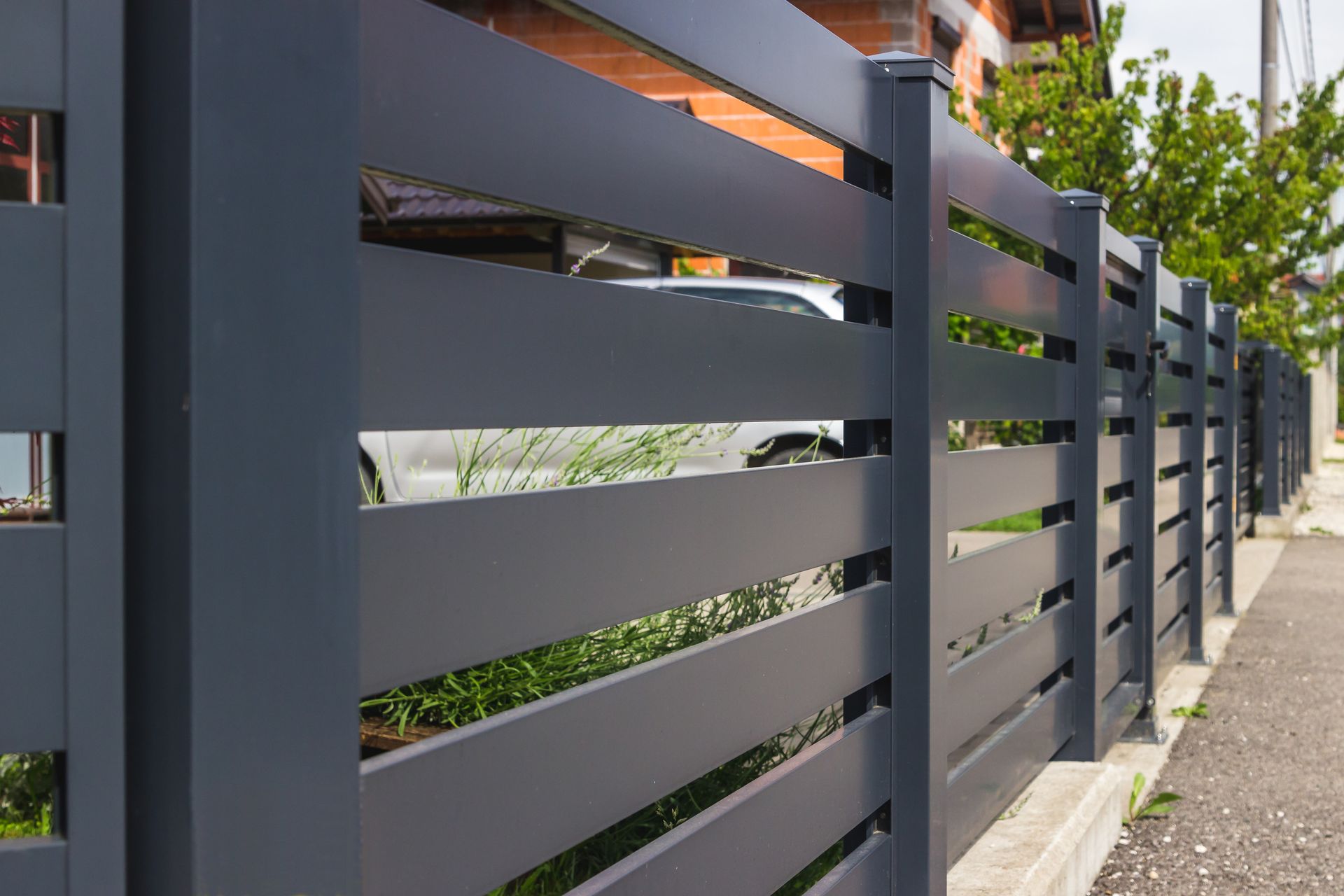
Climbable Designs
Decorative fences with horizontal rails or wide spacing may unintentionally create a ladder effect.
Improper Gate Installation
Gates that don’t self-close or latch properly are one of the top reasons inspections fail.
Gaps and Openings
Small gaps at the bottom or between panels can make a fence non-compliant.
DIY Installation Errors
Without precise measurements and code knowledge, DIY projects often miss key requirements.
Choosing the Right Pool Fence for Compliance and Style
Safety doesn’t mean sacrificing aesthetics. Today’s pool fencing options allow homeowners to meet regulations while enhancing their outdoor space.
Popular compliant options include:
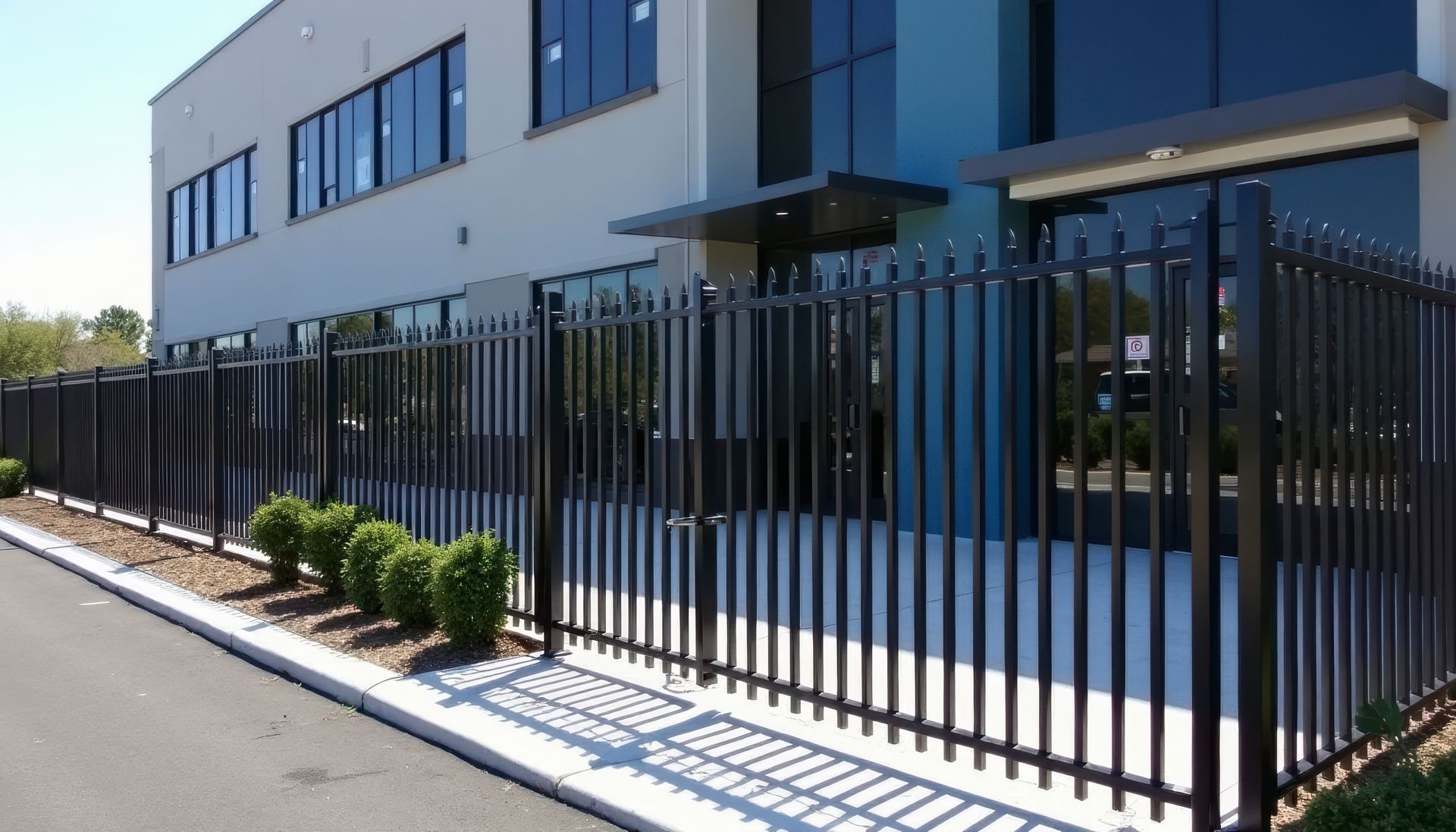
Aluminum Pool Fencing
- Durable, rust-resistant, and low maintenance
- Can be designed with narrow picket spacing for compliance
Glass Pool Fencing
- Modern, unobstructed views
- Must meet strict safety glazing and height requirements
Vinyl Pool Fencing
- Solid panels prevent climbing
- Offers privacy and clean design
Mesh Safety Fencing
- Removable and ideal for families with young children
- Designed specifically for child safety compliance
A professional installer can help match your design preferences with pool fence requirements in California.
When Do You Need to Upgrade Your Pool Fence?
You may need to install or upgrade your pool fence if:
- You’re building a new pool
- Your existing fence doesn’t meet current code
- You’re remodeling your backyard
- You’re selling your home (compliance issues can delay closing)
Older pools, in particular, are often out of compliance with newer safety standards.
Why Professional Installation Matters
Pool fencing is not just another home improvement project—it’s a regulated safety system.
Working with a professional contractor like Ideal Fence Pros ensures:
- Accurate measurements and code compliance
- Proper gate hardware and installation
- Coordination with inspectors and permitting requirements
- Long-term durability and safety
This reduces the risk of costly corrections and ensures your pool area is safe from day one.
Final Thoughts
Understanding pool fence requirements in California is essential for any San Diego homeowner with a pool.
By installing a compliant fence and following local regulations, you can:
- Protect your family and guests
- Avoid legal and financial risks
- Pass inspections with confidence
- Enhance your property’s value and usability
If you’re planning a new pool or need to upgrade your current fencing, working with a trusted
pool fence San Diego expert is the most efficient path to compliance and peace of mind.
You might also like