Santa Ana Winds and Your Fence: How to Prepare and What to Check After Wind Damage
Santa Ana winds are strong, dry, offshore winds that hit Southern California most often in the fall and winter, and they’re hard on fences. Gusts put heavy, repeated pressure on posts, panels, and gates, so a fence that looks fine can fail quickly if it’s already weakened. A few simple checks before wind season can prevent costly wind damage, and knowing what to look for afterward helps you catch problems early.
How Santa Ana Winds Affect Fences
A fence acts like a wall in the path of the wind. The more solid it is, the more force it catches, and the more stress transfers to the posts and footings holding it up. Repeated gusts can loosen posts, crack boards, pull fasteners, and push entire sections out of alignment. Our earlier post on How Coastal Weather Impacts Your Fence covers salt, humidity, and sun. Wind is a separate stressor, and it can finish off a fence that those conditions have already weakened.
Which Fences Are Most at Risk?
Some fences are more vulnerable than others:
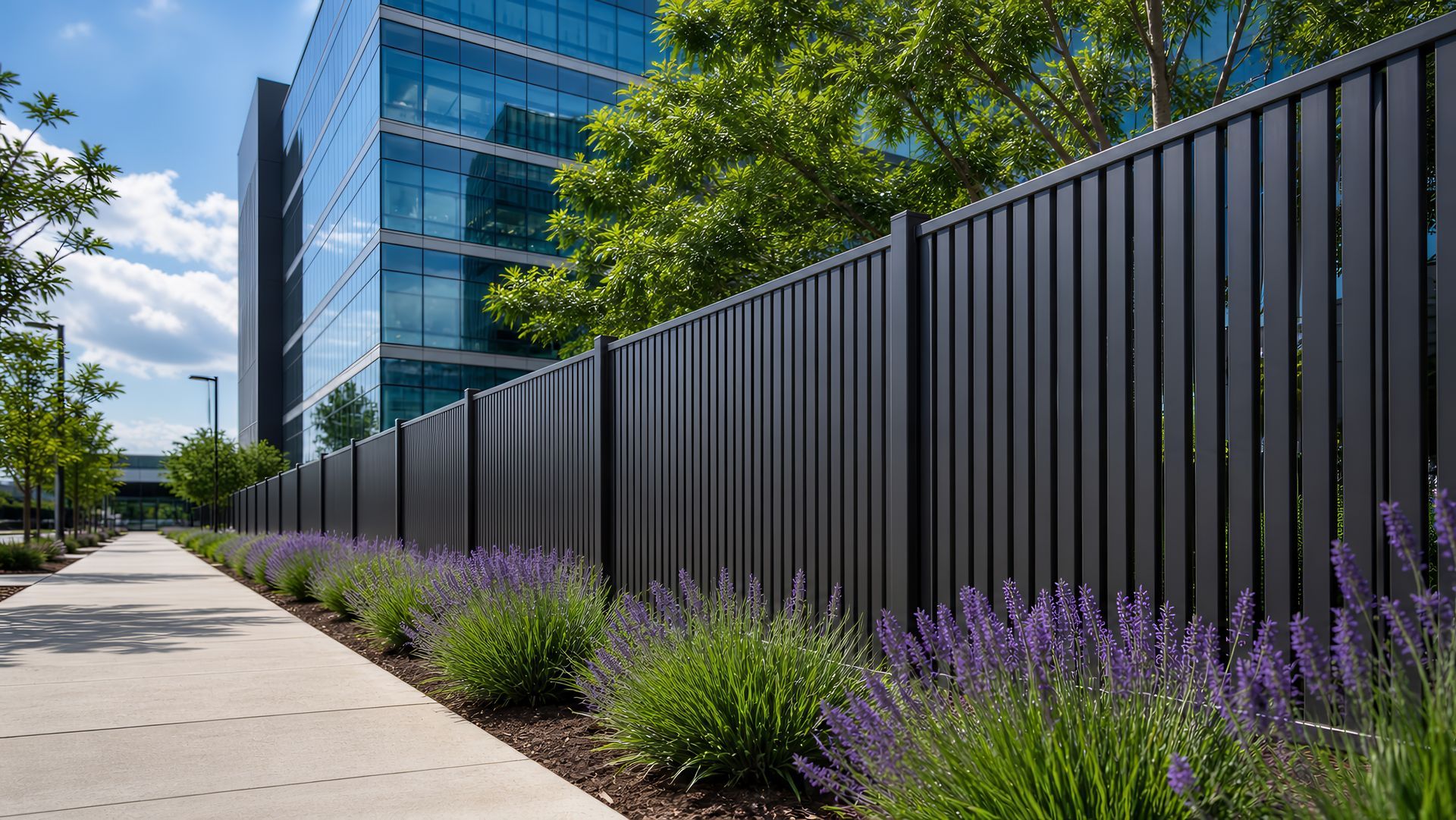
- Solid privacy fences: Tall panels with no gaps catch the most wind, much like a sail.
- Older or weathered wood fences: Rot, cracks, and loose boards reduce strength.
- Fences with rotted or loose posts: Posts are the foundation, and decay near the base is a common point of failure.
- Shallow or poorly set footings: If posts aren’t anchored well, they can lean or topple.
- Gates: Gates swing and bend under wind, and damaged hinges and latches can fail.
- Fences already leaning: A small lean can worsen quickly in a windstorm.
How to Prepare Your Fence Before Wind Season
Taking an hour to inspect your fence in early fall can save you a repair later. Look for:
- Wobbly or leaning posts. Push gently on each post. Any movement or tilt is a warning sign.
- Rot at the base. Check where wood meets soil, since decay often starts there.
- Loose or missing fasteners. Tighten or replace screws and nails, and check brackets and hardware.
- Cracked or loose boards and pickets. Replace damaged pieces before they become projectiles.
- Gate hardware. Make sure hinges, latches, and gate posts are secure and the gate closes properly.
- Nearby trees and branches. Trim overhanging branches that could fall on the fence.
- Items stacked against the fence. Move planters, lumber, and trash bins that add pressure or could blow into it.
If you spot a leaning section or rotted posts now, repairing them before a big wind event is almost always easier and cheaper than repairing a fallen fence.
What to Check After a Windstorm
Once the wind dies down, walk the full length of your fence and look for:
- Leaning, shifted, or fallen sections
- Posts that have loosened or cracked at ground level
- Missing, cracked, or split boards, pickets, or panels
- Gates that sag, stick, or no longer latch
- Pulled-out fasteners or damaged hardware
- Gaps where the fence has separated from its posts
Take photos for your records, particularly if you plan to file an insurance claim.
What to Do If Your Fence Is Damaged
- Stay safe. Keep people and pets away from leaning or fallen sections, and watch for exposed nails or broken boards.
- Document the damage. Photograph everything from several angles.
- Secure the area. Temporary bracing can keep a leaning section from falling further, but avoid major DIY repairs on damaged posts.
- Check shared boundaries and HOA rules. If the fence is shared with a neighbor or you’re in an HOA community, you may need to coordinate repairs.
- Decide between repair and replacement. Isolated damage can often be repaired, while widespread rot or repeated failures may be a sign it’s time to replace.
Wind-Resistant Fence Options for San Diego Homes
If you’re replacing a fence, design choices can improve how it handles wind:
- Spaced boards or shadowbox styles let some air pass through, which reduces pressure on posts.
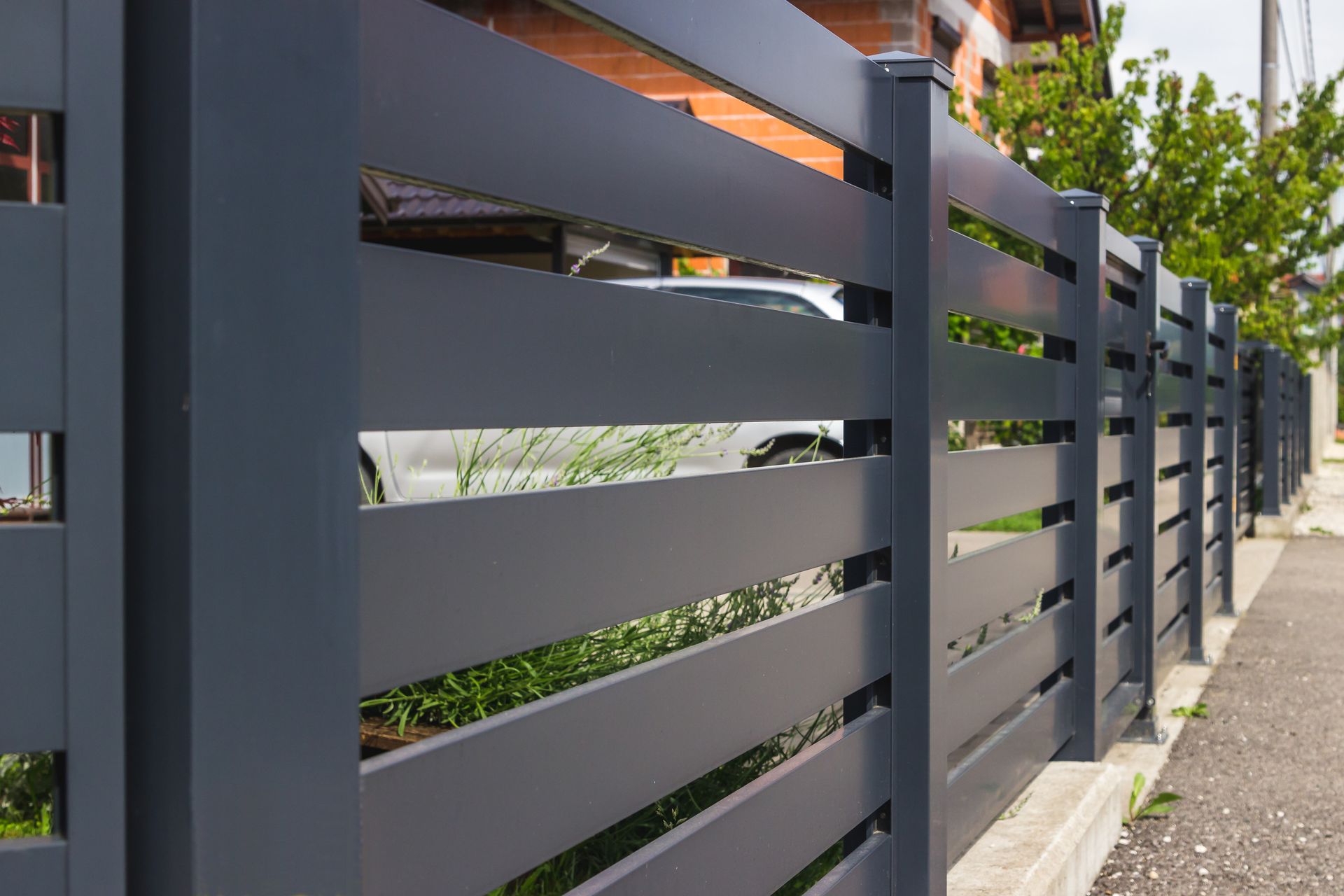
- Horizontal slat designs with small gaps can offer privacy while still allowing some airflow.
- Deeper, properly set footings give posts stronger anchoring.
- Quality materials and hardware, including durable posts and corrosion-resistant fasteners, hold up better over time.
- Strong gate posts and hinges help gates withstand repeated gusts.
There’s a tradeoff between privacy and wind resistance, and the best option depends on your yard, exposure, and priorities. Our overview of Privacy Fence Options for San Diego Homes can help you compare styles.
Fence and Wind Damage FAQs
Does homeowners insurance cover wind damage to a fence?
Often, depending on your policy and deductible. Check your coverage and document damage with photos before repairs.
How do I know if my fence posts need to be replaced?
Posts that wobble, lean, or show rot near the base are strong candidates for repair or replacement, especially before wind season.
Should I repair or replace a fence after wind damage?
It depends on the extent. Isolated damage can often be repaired, but widespread rot, repeated failures, or multiple damaged posts usually point toward replacement.
Fence Repair and Installation in North County San Diego
Ideal Fence provides fence installation and repair for homes and businesses across North County San Diego, including San Marcos, Vista, Escondido, Carlsbad, and Oceanside, with free on-site estimates.
You might also like